
START WITH THE COLLECTION
Choose a yarn.
Define the fabric feel.
Start with what you want the garment to do. Then compare the yarn, knitted surface and finishing together.
Cashmere & merino wool
Compare cashmere yarn for a soft, lofty direction and merino wool yarn for a fine wool route. Fibre, spinning and finishing shape the final warmth, surface and weight.
Silk blends & drape
A silk blend yarn can introduce lustre and a different drape. Compare blend ratio, knitted structure, opacity and garment support rather than silk content alone.
Plant & summer
Compare cotton, paper and cellulosic blends for dry texture, lighter weight and seasonal comfort.
Texture & fancy
Consider halo, neps, loops and visual effects together with shedding and construction.
COLLECTION REFERENCES
Explore the mills.
Understand the options.
Our selected references draw on published collections from these yarn companies. TOPLINE is part of Consinee Group.
CONSINEE
Cashmere & wool blends
TOPLINE
Consinee Group · fancy yarns
XINAO
Merino & seasonal blends
M.ORO
Cashmere & blend collections
THE YARN LIBRARY
Cashmere, merino & blends.
Explore the yarn references.
Browse by material direction or company. Composition and count below are published supplier or platform specifications; use the linked source and a current shade card to confirm your selection.
CONSINEE
Cashmere & wool
AURORA
100% cashmere
Nm 2/26
A starting point for a soft, full cashmere handle.
Review the finished swatch, garment weight and agreed care method.
CONSINEE
Cashmere & wool
HESTIA
70% mercerized wool · 30% cashmere
Nm 2/26
Compare a wool–cashmere route alongside pure cashmere.
Review the finished swatch, garment weight and agreed care method.
TOPLINE
Texture & fancy
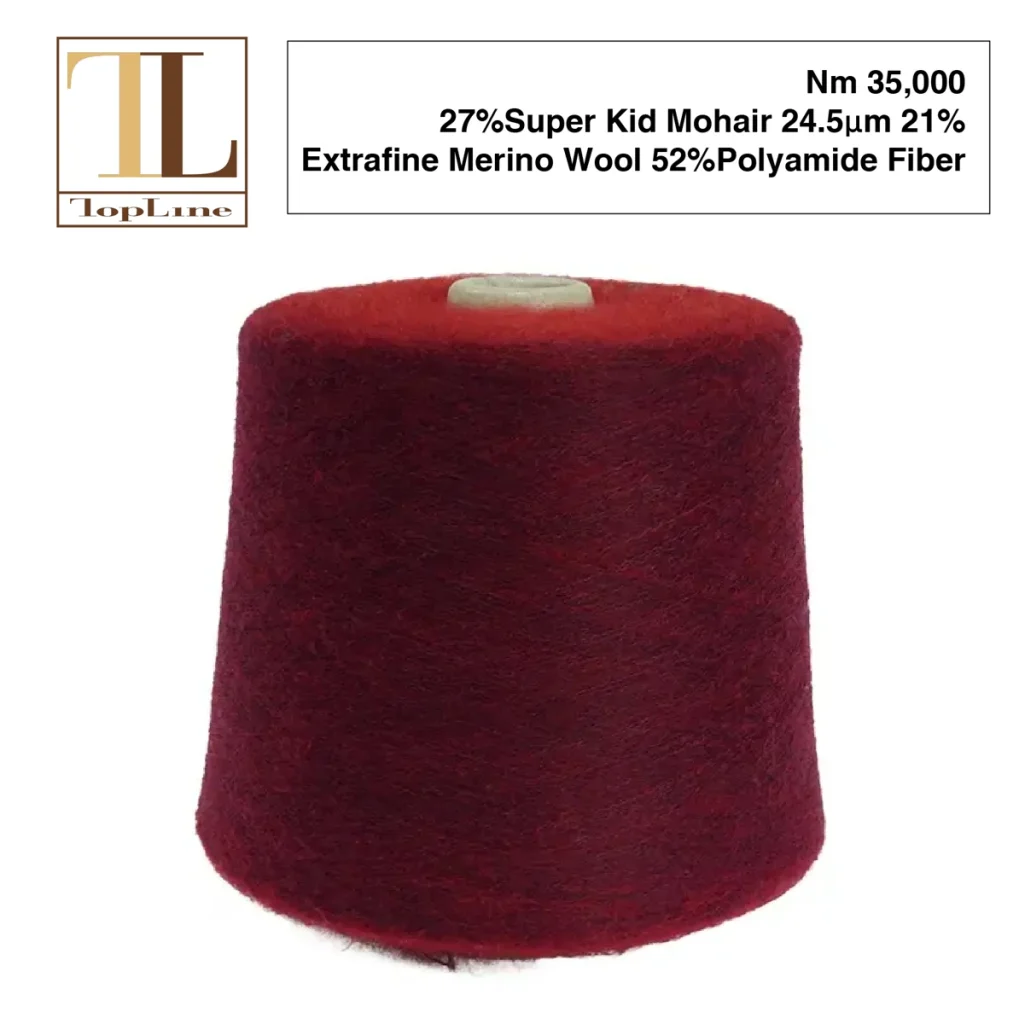
WALTZ
27% super kid mohair · 21% extrafine merino wool · 52% polyamide
Nm 35,000
Brushed surface direction for a visible halo.
Check shedding, seam bulk and opacity.
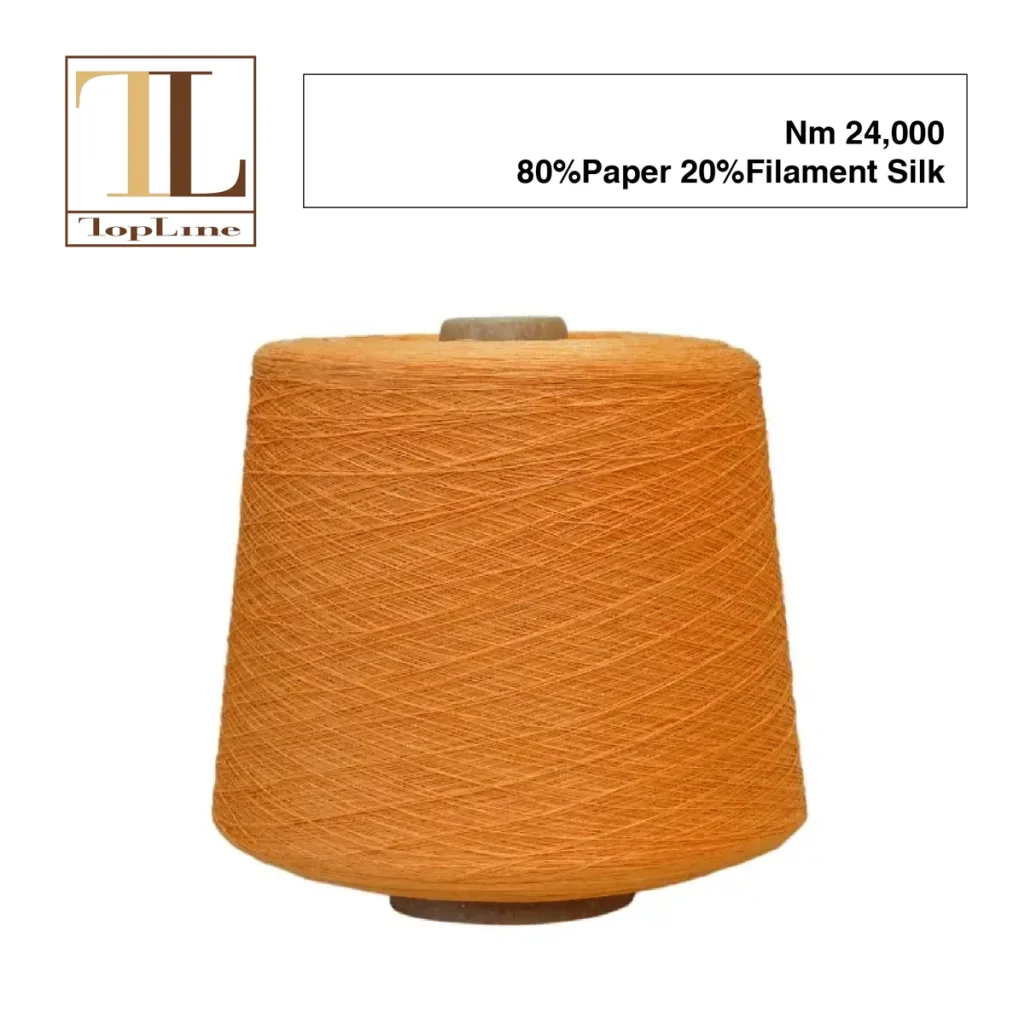
TOPLINE
Texture & fancy
BIRGIT
80% paper · 20% filament silk
Nm 24,000
Paper and silk bring a different spring/summer texture.
Assess skin feel, stitch openness and wash response.
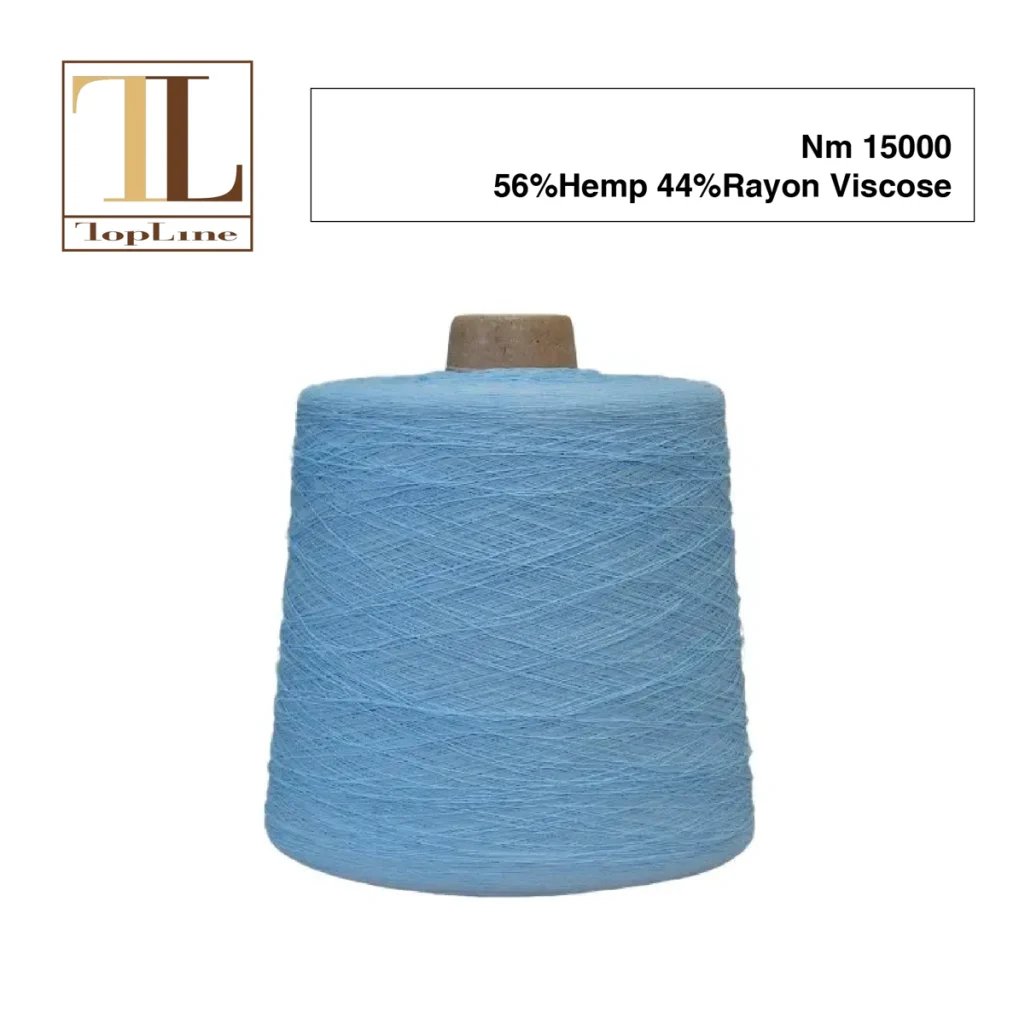
TOPLINE
Texture & fancy
RAZZ
56% hemp · 44% rayon viscose
Nm 15,000
A plant-fibre direction with a textured surface.
Confirm fibre naming and finished drape with the supplier.
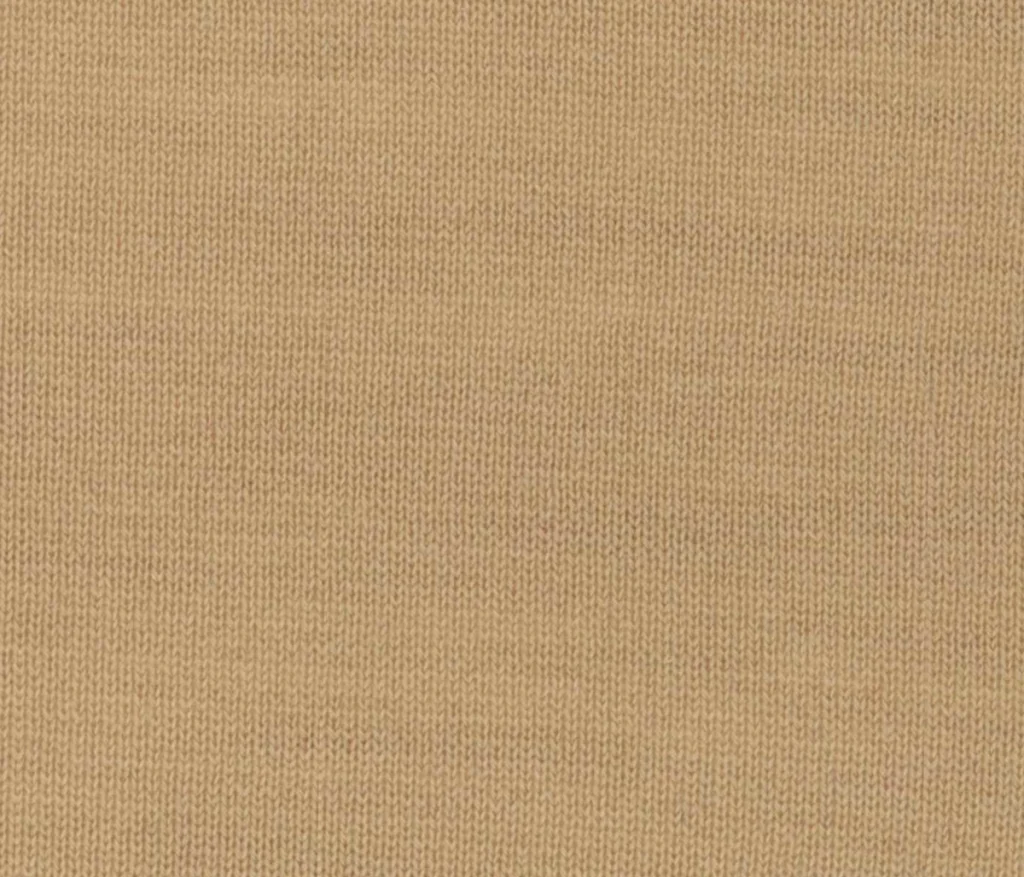
XINAO
Cashmere & wool
WOOLCARE
100% superfine merino wool
Nm 2/60 · 2/80 · 3/85 · 2/100 · 4/100
Supplier-listed machine-wash yarn direction.
The finished garment needs its own care validation.
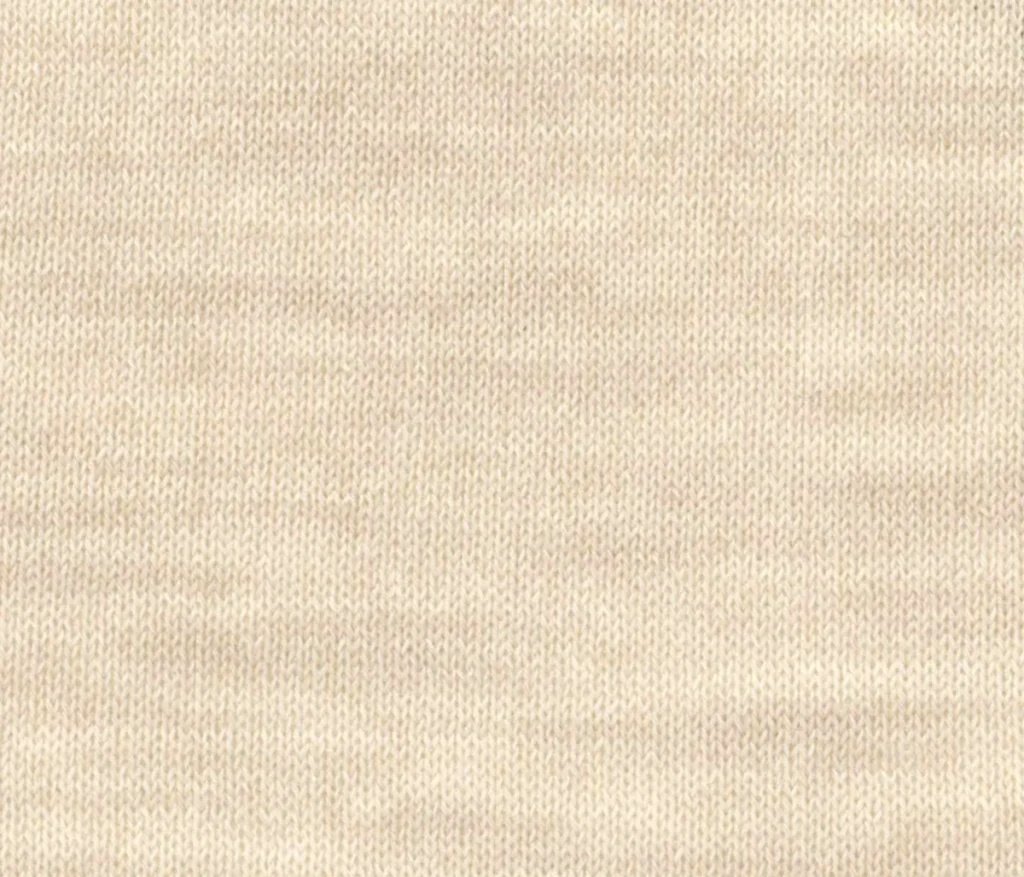
XINAO
Silk & drape
NEW DIAMOND
75% extrafine merino wool · 25% silk
Nm 2/48 · 2/60
A merino–silk blend to compare for surface and drape.
Review the construction and finish rather than fibre alone.
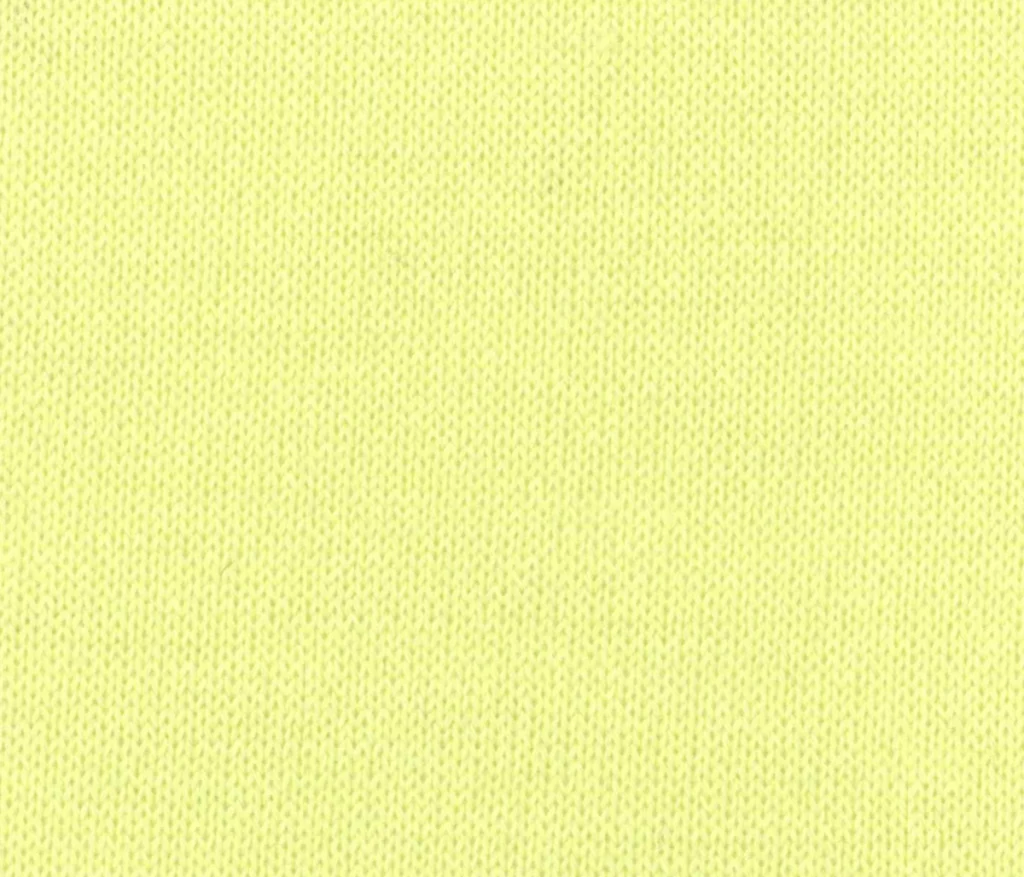
XINAO
Plant & summer
FLORA
55% extrafine merino wool · 45% cotton
Nm 2/48
A wool–cotton composition for a seasonal transition brief.
Compare warmth, weight and dimensional change.
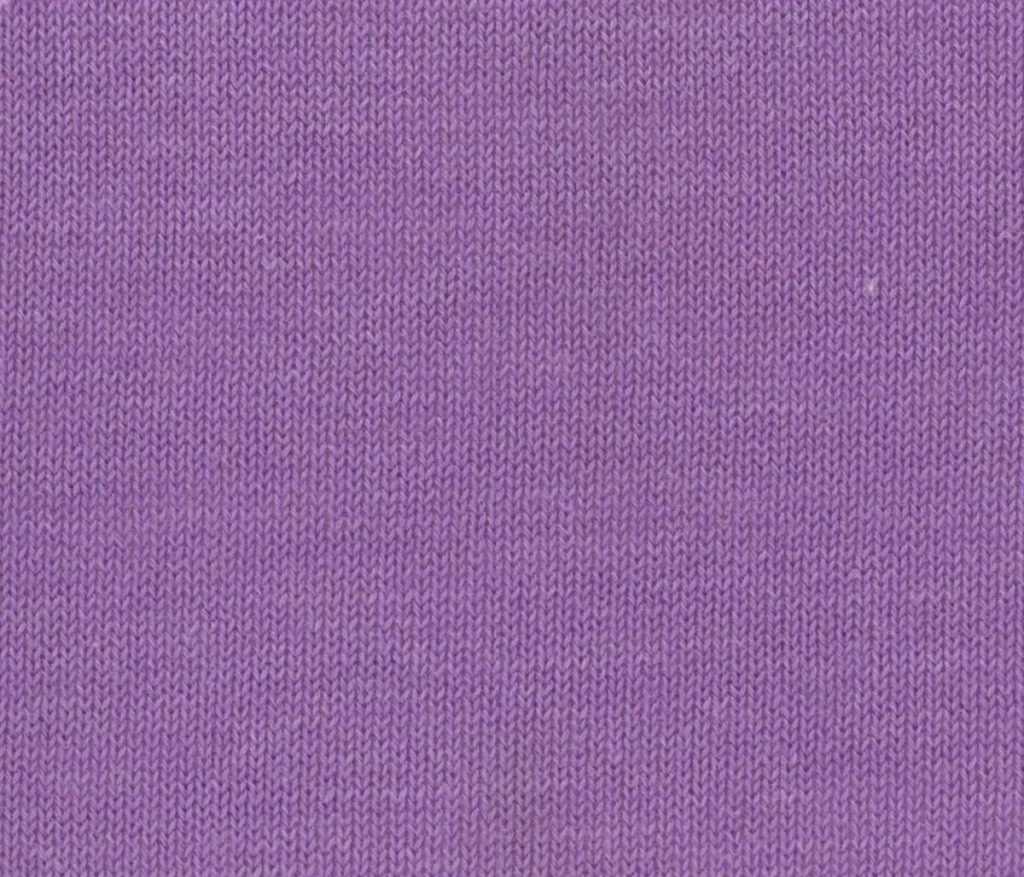
XINAO
Silk & drape
GLOSS
10% silk · 70% lyocell · 20% cotton
Nm 3/85
A cellulosic-led direction for fluid, lighter knitwear.
Check opacity, growth and seam support.
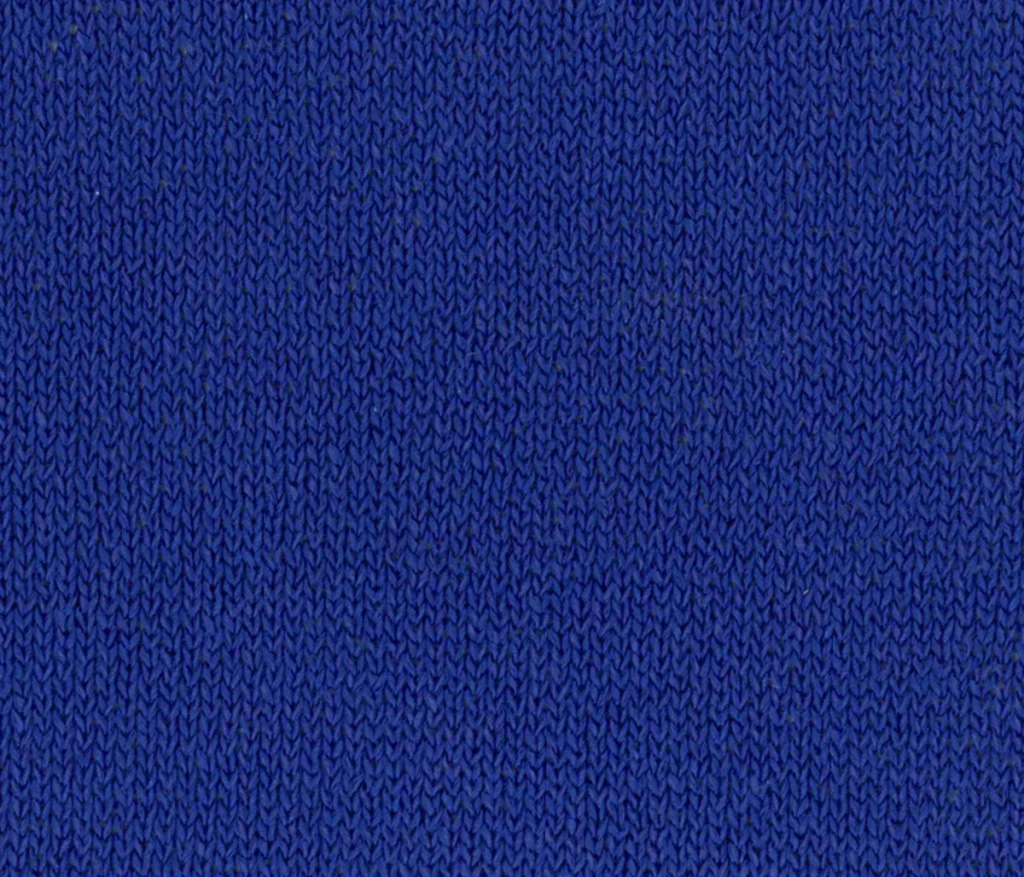
XINAO
Plant & summer
ATLAS
83% paper · 17% polyester filament
Nm 1/25
Paper-rich yarn adds another texture option.
Swatch for flex, comfort and intended care.
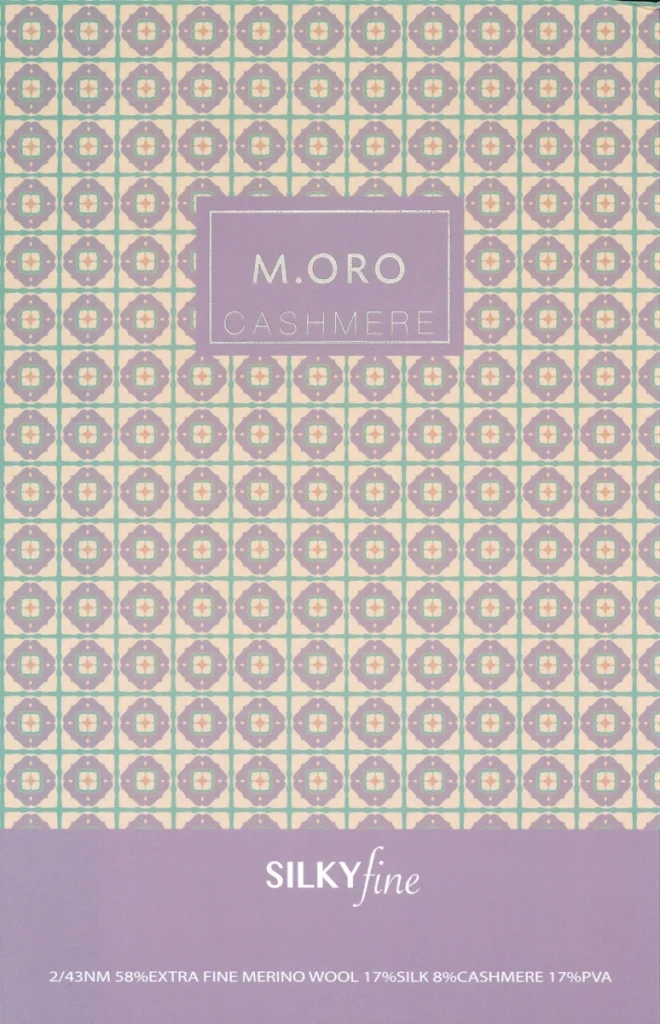
M.ORO
Silk & drape
SILKY FINE
Wool, cashmere and silk series; exact ratio to confirm
Confirm against the current shade card
Explore a silk-containing direction alongside wool and cashmere.
Request the specification, finished composition and shade card.
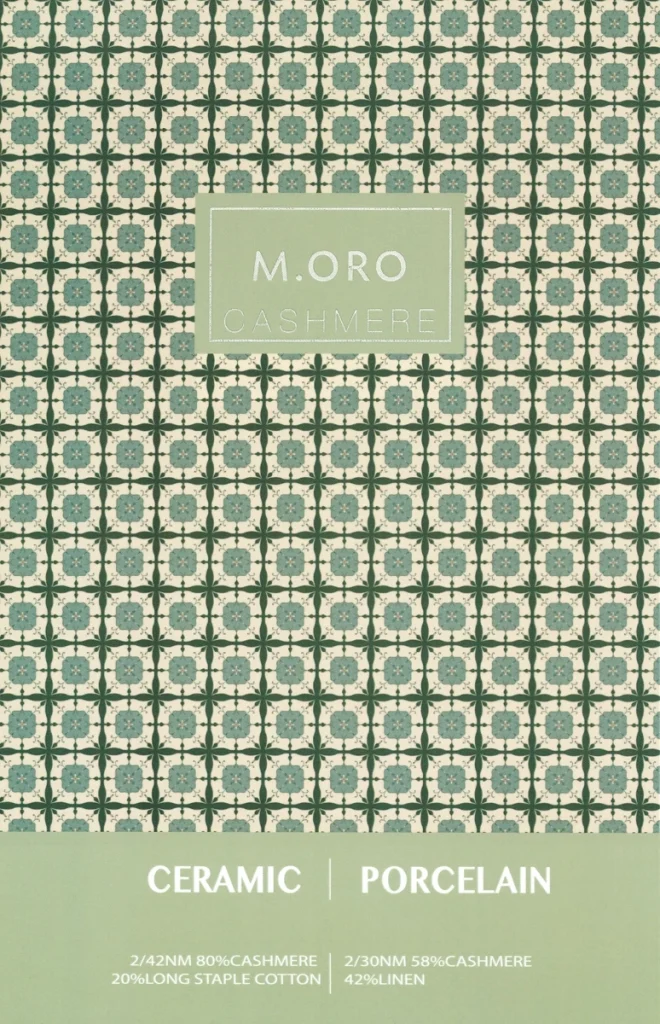
M.ORO
Plant & summer
CERAMIC
80% cashmere · 20% long-staple cotton
Confirm against the current shade card
A cashmere–cotton reference for a different seasonal balance.
Verify the current product sheet and finished sample.
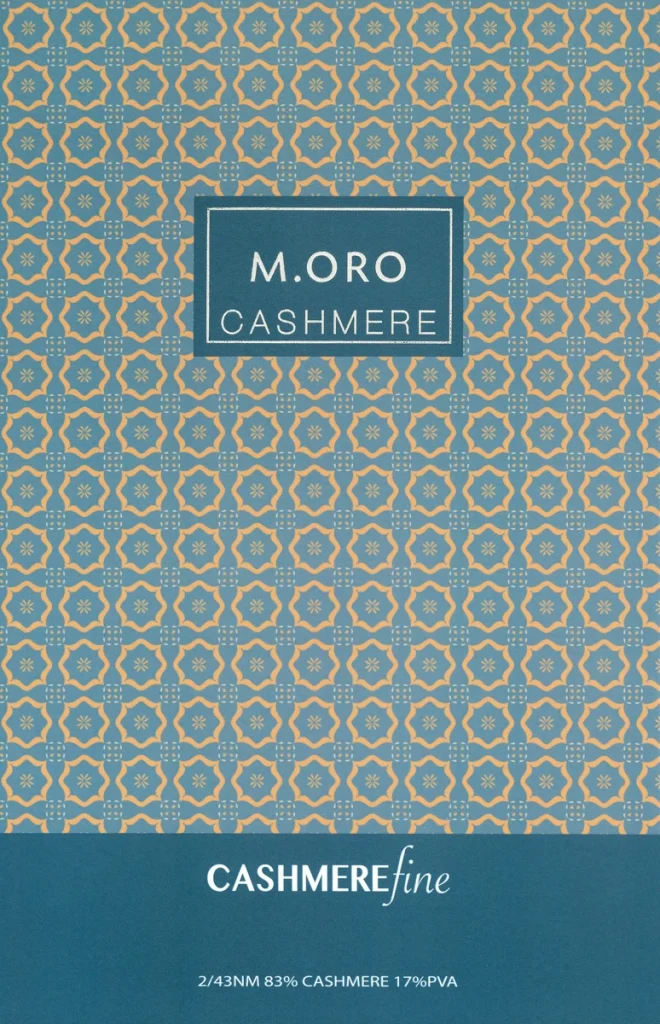
M.ORO
Cashmere & wool
CASHMERE FINE
Cashmere-rich series; exact ratio to confirm
43 Nm series; confirm the full yarn specification
A finer yarn direction to explore for lighter cashmere-led garments.
Request the current count, ply and finished composition.
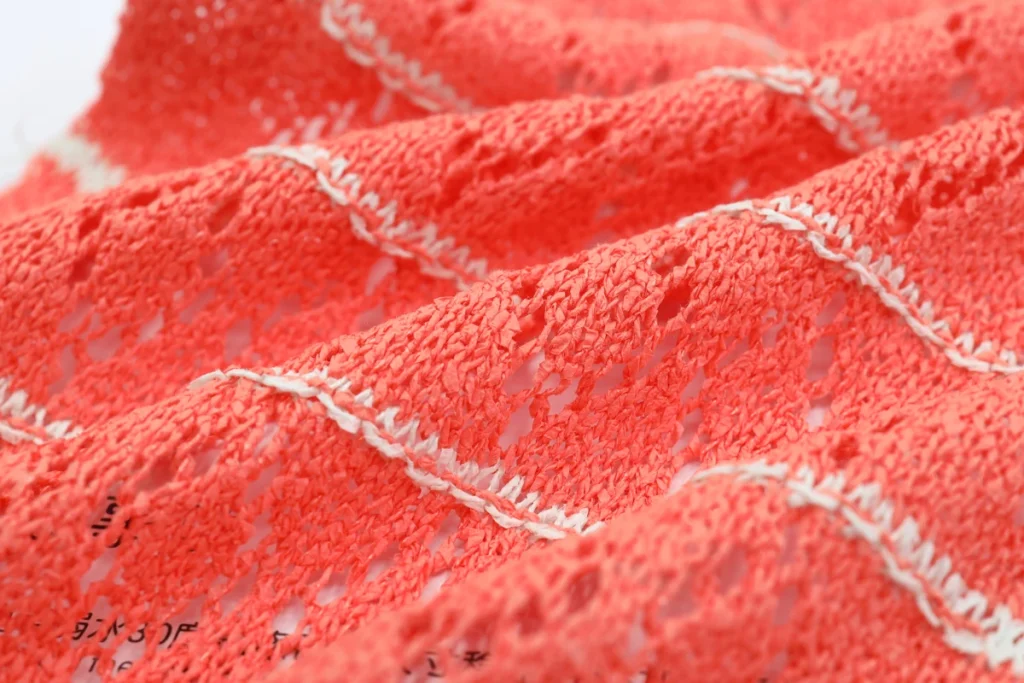
DALANG REFERENCE
Plant & summer
Washi TT
60% paper · 40% polyester
Nm 1/12
A published textured paper-blend reference.
Confirm the stated 7G application through knitting trials.
Product and image references belong to their respective owners. Availability, colour, order terms and suitability are confirmed for each project. Referencing a mill does not imply endorsement or exclusive representation.
MATCH THE MATERIAL TO THE BRIEF
Compare knitwear materials.
Verify in the swatch.
A composition is the beginning of a decision. These routes help frame a development conversation, rather than predict a finished garment’s performance.
| Your priority | Directions to compare | What to review | Library starting points |
|---|---|---|---|
| Soft, warm staples | Pure cashmere; wool–cashmere blends | Yarn route, garment weight, pilling and care | AURORA · HESTIA |
| Fine, fluid layers | Merino–silk; lyocell-led blends | Drape, opacity, growth and seam support | NEW DIAMOND · GLOSS |
| Dry seasonal texture | Paper, hemp and cotton blends | Skin feel, flex, wash response and stitch definition | BIRGIT · RAZZ · Washi TT |
| Visible halo or surface | Mohair blends and fancy yarns | Shedding, snagging, linking and friction zones | WALTZ |
| An easy-care brief | An appropriately treated yarn, then garment testing | The exact care cycle and finished dimensions | WOOLCARE |
YARN COUNT, GAUGE & FABRIC FEEL
Yarn count & knitting gauge.
Picture the finished knit.
Start with the look and feel you want: visible texture, a soft everyday layer or a fine, lightweight knit. Yarn count and machine gauge help shape that direction; the stitch and finish bring it to life.
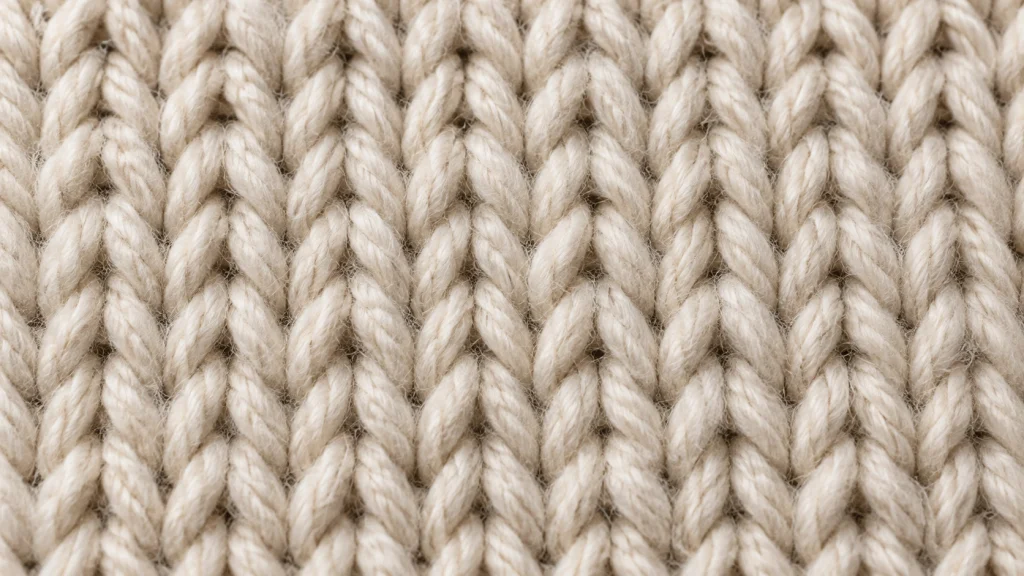
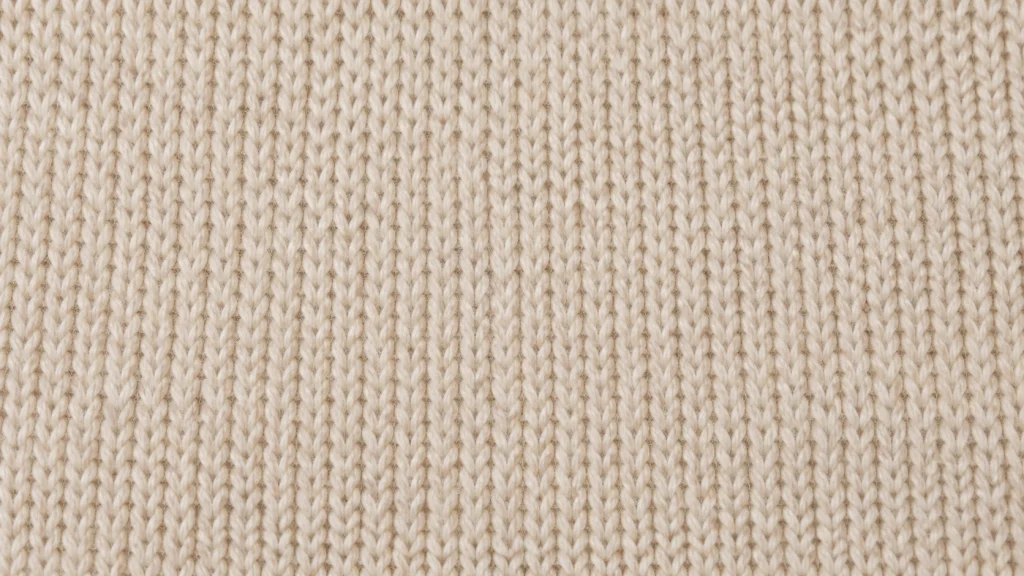
03–05 G / COARSE GAUGE
Bold & textured
Visible loops · volume · character
A thicker yarn can create pronounced stitches and a substantial surface. A lofty yarn may look bulky while still feeling light.
Picture it in
Textured cardigans and relaxed layers.
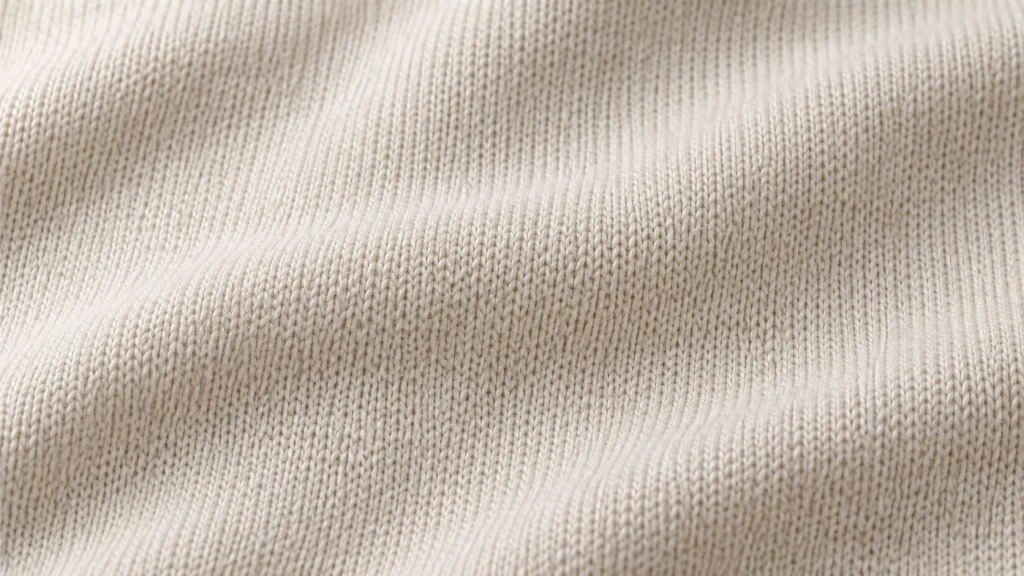
07–09 G / MID GAUGE
Soft & full
Defined stitches · body · softness
A cashmere yarn at a compatible mid gauge can offer a fuller, soft layer. Loop length and finishing decide how closely covered it becomes.
Picture it in
Everyday sweaters and soft rib knits.
12–16 G / FINE GAUGE
Light & refined
Smaller loops · fine detail · layering
A finer yarn can give a delicate surface and lighter layer. Fine gauge can create either a covered knit or a sheer effect, depending on construction.
Picture it in
Fine pullovers and lightweight cardigans.
AI-generated textile illustrations show broad texture directions, not photographed production samples or verified gauge measurements.
READ THE SPECIFICATION
What does Nm 2/26 mean?
2 means two singles plied together. 26 describes the count of each single in the metric count system. Within the same ply arrangement, a higher number means a finer yarn: 2/36 is finer than 2/26.
READ THE MACHINE
What does 12G mean?
G refers to machine gauge, commonly expressed as needles per inch. Higher gauges have closer needle spacing for finer stitch detail. Gauge alone does not tell you how thick, heavy or compact the finished garment will be.
Yarn count → gauge → possible feel
Examples for the yarn types shown, using one end. A starting point for swatching.
| Yarn count & type | Reference gauge | Feel to explore | What changes the result |
|---|---|---|---|
| Nm 1/4.5Bulky textured cotton blend | 3G / 5G | Bold · substantialLarge, visible stitches; cotton-rich knits can feel weighty. | A more open setting adds space between loops. Loft and fibre change the weight. |
| Nm 2/15Cashmere | 7G / 9G | Soft · fullA fuller cashmere direction with visible stitch definition. | 9G offers a smaller stitch scale than 7G; loop length and finishing shape cover. |
| Nm 1/12Paper / polyester blend | 7G | Crisp · texturedA dry-looking surface for seasonal texture. | Assess flexibility and skin feel after finishing; mid gauge does not guarantee softness. |
| Nm 2/26Cashmere | 12G | Fine · softly balancedA lighter or medium-weight layer with smaller loops. | A closer setting adds cover; a relaxed setting creates a more open surface. |
| Nm 2/36Cashmere | 14G | Light · delicateFine stitch detail for refined layers. | Finer yarn can still give close cover. Structure and finishing determine the surface. |
| Nm 2/48 or Nm 3/68Worsted cashmere | 14G / 16G | Fine · smoothA lightweight direction with discreet loops. | Open structures can look sheer; closer settings increase cover. |
These are reference combinations for particular yarn types, not a universal conversion chart. Fibre, spinning, yarn bulk, feed, stitch structure and finishing change the result. Confirm the final gauge and feel through a finished swatch.
Thick can feel light.
Fluffy yarn traps air. A compact cotton-rich knit may weigh more than a loftier knit of similar visual thickness.
Fine can be compact.
Loop length, yarn bulk and structure control cover. A higher machine gauge does not automatically mean a denser fabric.
More ends add body.
Feeding two ends of Nm 2/26 adds more material than one end. The combined yarn needs a compatible gauge and a new swatch.
REAL YOUTRICOT DEVELOPMENT SWATCHES
Yarn and structure.
See them in practice.
These original swatch photographs connect material specifications with visible knitted surfaces. Compare raised merino cables with the vertical texture of a cashmere rib design. Neither the yarn count nor the fibre name describes the whole result.
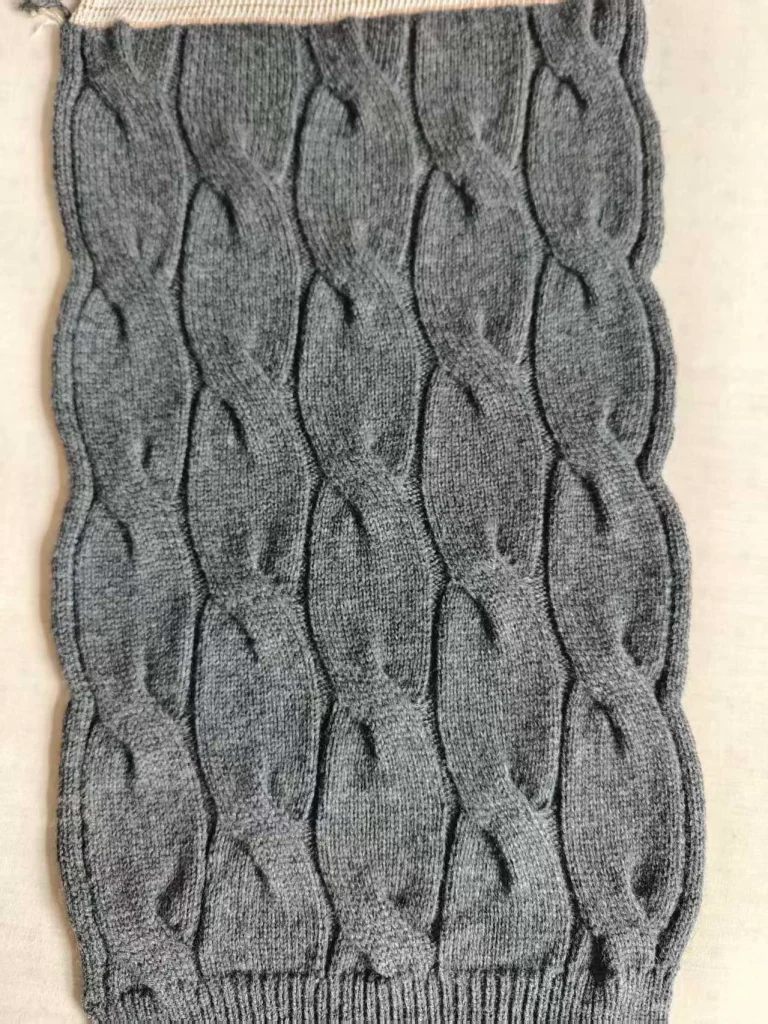
Original swatch photograph · grey cable-knit texture.
01 / XINAO MERINO WOOL YARN
Raised cables.
A defined surface.
Fibre
100% superfine merino wool
Yarn count
Two-ply, 26-count yarn
Machine gauge
7G
Structure
Cable knit
Yarn mill
XINAO
What the photograph shows
Crossing stitch groups form raised cable columns, with recessed areas between them. The relief gives the surface a substantial, three-dimensional appearance.
Development takeaway
A merino wool yarn brief needs a structure as well as a count and gauge. Cable placement and crossings shape the visual volume; judge actual weight, stretch and hand from the finished swatch.
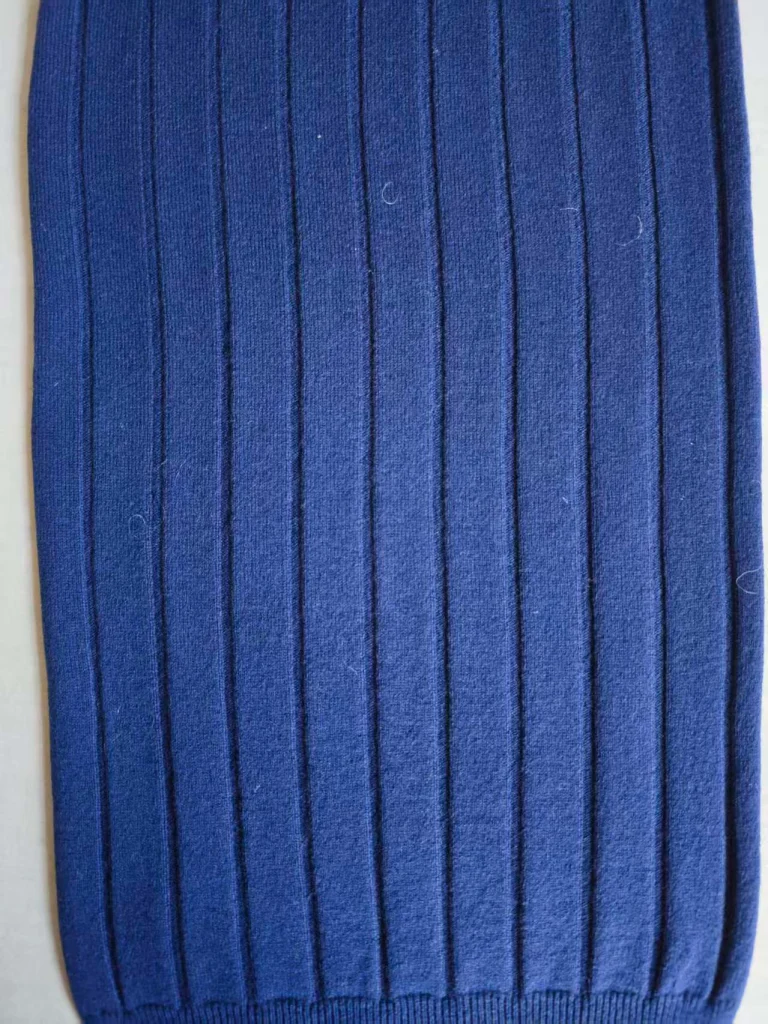
Original swatch photograph · blue vertical rib texture.
02 / CONSINEE CASHMERE YARN
Vertical lines.
A quieter texture.
Fibre
100% cashmere
Yarn count
2/28 · two-ply yarn
Machine gauge
12G
Yarn feed
Two ends knitted together
Structure
Plain-knit areas with vertical rib channels
Yarn mill
CONSINEE
What the photograph shows
Narrow recessed lines run through broad, relatively flat knitted areas. This creates an orderly vertical texture with less pronounced relief than the cable swatch shown alongside it.
Development takeaway
This sample combines two complete ends of 2/28 cashmere yarn on a 12G machine. Two-ply describes each yarn; two ends describes the yarns fed together. Confirm rib spacing, dimensional behaviour and the intended finish on the sample; the photograph alone cannot establish softness or garment weight.
Read the yarn, gauge and structure together.
The 7G merino cable example is a specific development set-up, not a rule for every two-ply 26-count yarn. The reference combinations above are starting points for the stated yarn types. Fibre, number of ends, loop settings, structure and finishing can change the appropriate machine and the finished feel.
Specifications supplied by YouTricot’s founder; images are original development-swatch photographs. Visual observations are drawn from the photographs, not laboratory performance results. These swatches are separate from the AI-generated texture illustrations in the gauge guide.
FIBRE CHARACTER & TRADE-OFFS
What each fibre
brings to the brief.
These are starting tendencies for material discussion. The yarn construction, blend, knitted structure and finishing determine the result you approve.
| Material direction | Character to explore | Collection direction | Important trade-off |
|---|---|---|---|
| Cashmere | Soft, fine surface and a warm handle | Refined staples and light warm layers | Balance softness with surface wear; review pilling and care. |
| Merino wool | A resilient wool direction with broad count options | Fine layers, staples and wool-led blends | Fineness, treatment and construction affect skin feel and care. |
| Silk | Lustre and fluidity in suitable yarn constructions | Refined layers and blends with surface sheen | Review snagging, opacity and the care method. |
| Cotton | A familiar plant-fibre handle; finish can change sheen | Seasonal staples and blended knitwear | Review garment weight and recovery under wear. |
| Hemp / paper | Dry or textured surface directions | Resort, transitional and textural pieces | Confirm the exact fibre, bend feel and laundering response. |
| Lyocell / viscose | Cellulosic routes for a fluid surface | Draped silhouettes and lighter blended knits | Check wet response, garment growth and structure support. |
| Mohair / fancy blends | Halo, loft or deliberate surface effects | Statement surfaces and seasonal textures | Review shedding, snagging and linking appearance. |
| Polyamide / polyester blends | Useful components for yarn structure and wear requirements | Multi-fibre everyday and textured yarns | A synthetic component alone does not establish easy care or durability. |
YARN KNOWLEDGE, MADE PRACTICAL
Yarn knowledge.
Read beyond the fibre name.
Material examples and terminology from Dalang Textile Network help open the discussion. The checks below turn that discussion into decisions for your garment.
Read the count, then the ply.
Nm measures length relative to mass. A higher single-yarn Nm value means a finer yarn. In a common designation such as 2/26 Nm, two Nm 26 singles are plied together; the resultant count is approximately Nm 13 before twist contraction. Confirm how the supplier writes the count.
BUYER CHECK
Do not compare Nm and cotton Ne numbers as if they were the same system.
Gauge is a trial, not a guarantee.
Machine gauge describes needle density. Yarn count, bulk, number of ends, stitch length and construction all affect the knitting result. A supplier’s gauge suggestion is a useful starting point.
BUYER CHECK
Approve a finished swatch on the intended construction before setting garment weight or density.
Twist changes more than strength.
Twist and ply influence hairiness, surface clarity, handle and yarn balance. More twist can change softness; insufficient restraint can leave a more open surface. The useful balance depends on the fibre and the garment.
BUYER CHECK
Compare equivalent swatches instead of assuming the highest twist is always best.
A blend needs a purpose.
A blend can balance cost, texture, warmth, drape or strength. Read every component and its proportion. A trade name such as “cashmere feel” does not establish that a yarn contains cashmere.
BUYER CHECK
Use the declared fibre composition for product descriptions and labelling decisions.
Texture has construction consequences.
A brushed halo, loop or nep effect changes the visible surface. It may also change snagging, shedding, seam appearance or pattern definition. Review the garment, not just the yarn cone.
BUYER CHECK
Inspect linking, seams and high-friction areas as well as the main body swatch.
Pilling needs an agreed test.
Friction brings loose fibre ends together to form pills. Fibre properties, yarn construction, knitting and finishing influence the outcome. A fibre name alone cannot establish a pilling grade.
BUYER CHECK
Specify the test method, conditioning, assessment stage and acceptable result for the order.
Wash the sample before deciding.
Care and finishing can change hand-feel, dimensions and surface appearance. A yarn described as machine washable does not automatically establish a finished garment’s care claim.
BUYER CHECK
Assess the garment under the intended care method before approving the label.
Approve colour as a physical reference.
Screen colour and a shade-card photograph are useful for discussion. Confirm the physical standard, dye lot and repeat-order expectations for the selected yarn.
BUYER CHECK
Keep an approved reference and check lot continuity before a reorder.
FROM REFERENCE TO APPROVAL
Build the material brief.
Then build the sample.
YouTricot supports knitwear development and OEM/ODM production discussions for emerging brands, independent designers and smaller wholesalers.
Define the wearer, season, design, hand-feel, quantity and target price.
Shortlist yarns
Compare composition, count, colours, available quantities and technical requirements.
Review a swatch
Assess the knitted structure after the intended finish, including weight, surface and care response.
Approve the garment
Confirm fit, measurements, workmanship, care and any order-specific tests or documents.
Keep documentation specific.
If your collection needs a material, chemical-safety or sustainability claim, identify the exact product and supporting documentation before production. Supplier marketing language and a photographed certificate alone do not establish a claim for your finished garment.
BEFORE YOU SELECT
Knitwear yarn questions.
Clearer material decisions.
Your design may begin with a detailed tech pack or a single reference. Share what you have.
These are selected published product references, not a stock list. Confirm the article, supplier, shade availability, quantity and lead time with us for your project.
No. Yarn quantities, dye-lot minimums and finished garment quantities are separate decisions. Construction, colours, trims and the development route also affect the workable order.
Use it as a starting point. The number of ends, stitch structure, density and finishing must be considered in a trial before approving the garment.
Share the intended appearance, hand-feel, target price and care brief. We can discuss a suitable sourcing direction; exact availability and development terms are confirmed separately.
A claim must match the relevant holder, product scope, validity and required supply-chain documentation. Confirm the evidence needed for your specific product and order.
Send your sketch or reference garment, target season, intended wearer, preferred feel, approximate quantity, target price and care or documentation requirements.