

Knitwear OEM and ODM Services
for Fashion Brands
Knitwear OEM services cover technical review, sampling and production based on your approved design and tech pack. Knitwear ODM services support concept development, yarn and stitch selection, pattern making and sampling within a defined brief. Share your project inputs to review feasibility, approval stages and quotation scope.
Choose the OEM or ODM Support Your Collection Needs
YouTricot supports knitwear development and production against agreed specifications. Before work begins, confirm the service scope, manufacturing location, approval responsibilities, required evidence and commercial terms. Material availability, sample revisions and production scheduling can affect cost and delivery; each project needs its own confirmed plan.
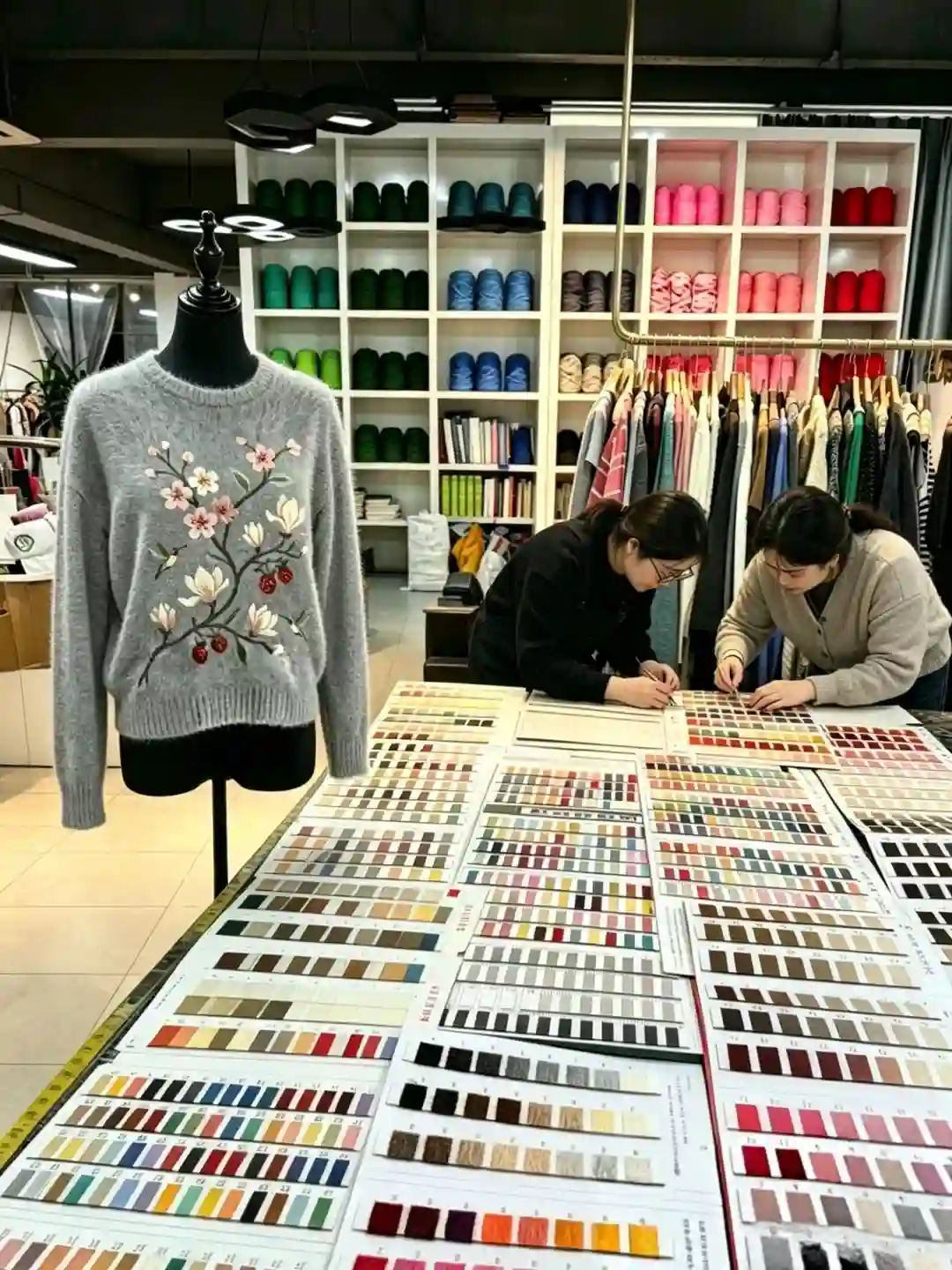
OEM Knitwear Production
Bring your tech pack for review of yarn, gauge, stitch structure, measurements, finishing and packaging. Knitwear OEM production follows the agreed specification and approved references. Jacquard, intarsia and fine-gauge requests require a style-specific feasibility assessment. Smaller orders may reduce the initial stock commitment, but they do not remove sales or inventory risk.

Knitwear ODM Development
Start with a concept, sketch or permitted reference. Agree which yarn proposals, stitch swatches, pattern making, fit development and samples are included. You approve the selected design and technical specification before production release. Development fees, revision allowances, confidentiality, design rights and file delivery need written agreement.
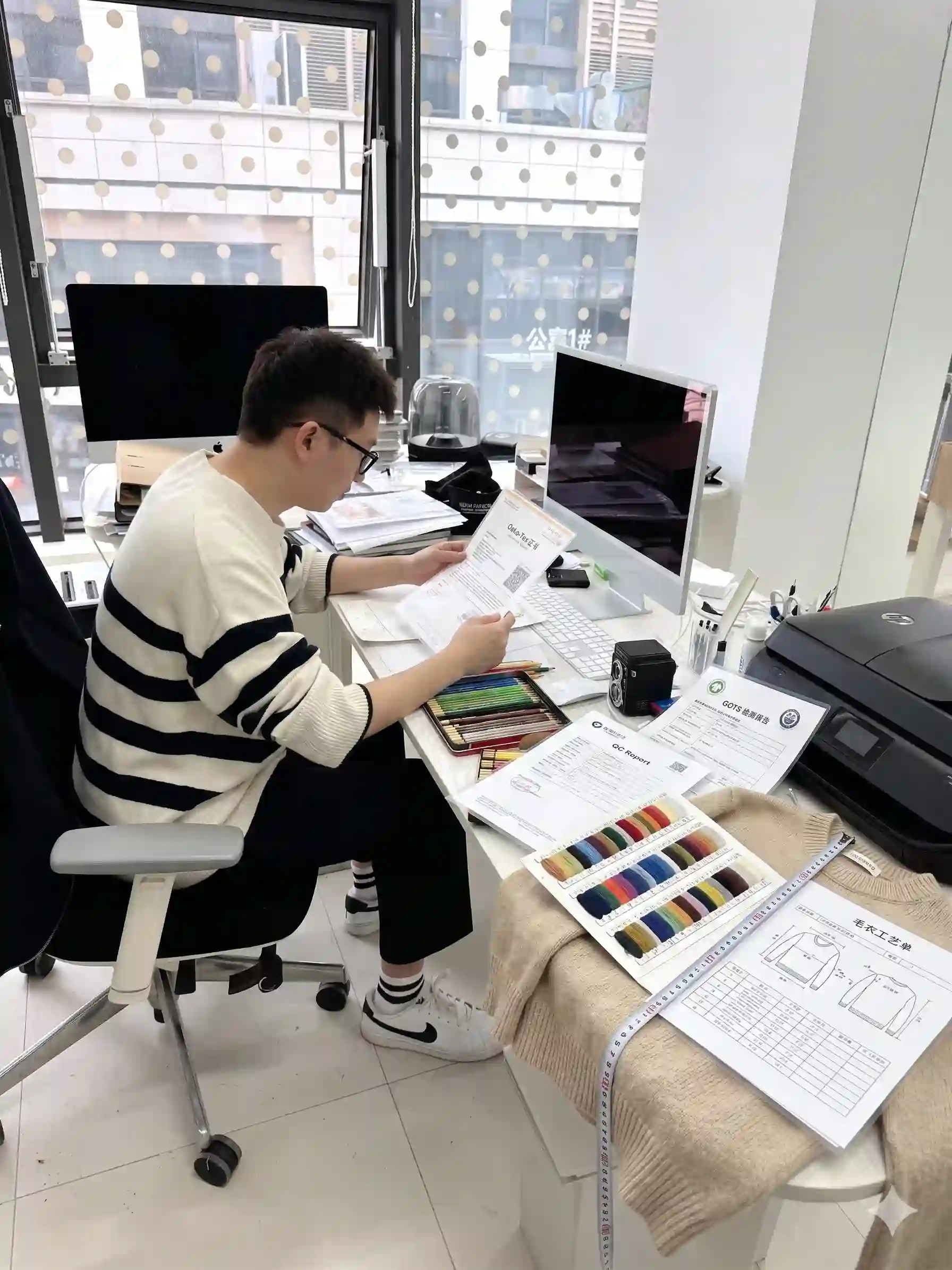
Brand Requirements and Compliance Evidence
Identify the destination market, intended wearer, care instructions and product claims before selecting materials. Agree which supplier documents, certificate checks and product tests are required, and who reviews them. A supplier certificate applies only to its identified holder and scope; it does not automatically certify YouTricot or every finished garment. Traceability must be supported by records connecting the relevant materials, production stages and order.
FIND THE RIGHT DEVELOPMENT MODEL
OEM or ODM Knitwear: Which Model Fits Your Brand?
Choose OEM knitwear production when your designs and technical requirements are defined. Choose ODM development when you need agreed work to create or refine those specifications. Both routes require feasibility review, buyer approvals and a confirmed production specification. Use the detailed guides below for a fuller comparison.
You provide your design, tech pack, measurements and yarn specifications. We handle technical review, sampling and bulk production based on your approved specifications and sample. Confirm unresolved tolerances, test requirements and packaging details before production authorization.
Share your concept, sketch or reference image. We help develop the design through yarn selection, stitch development, fit refinement and sampling, then prepare for production once the sample and specifications are approved. Confirm the development outputs and permitted use of reference designs before commissioning work.
Use this service page to define the support you need and request a project review. The linked OEM and ODM guides explain the individual development routes in more detail.
Who We Partner With
Different business models need different quantity, approval and delivery plans. Discuss the constraints of your sales channel before committing to a collection.
Plan private-label styles around your customer, target purchase cost and launch quantities. Review the opening commitment for each style and colour alongside yarn, trim and packaging minimums. Small-batch purchasing can limit initial exposure, but sell-through and margin remain commercial risks.
SME Wholesalers
Align size ratios, repeat-order needs, inspection criteria, shipment windows and price validity. Confirm available production capacity for the actual order and keep product cost separate from testing, freight, duties and destination charges.
Fashion Influencers
Translate the capsule concept into measurable product requirements, quantities and a realistic release calendar. Technical review timing is confirmed after the brief and outstanding questions are assessed; a campaign date does not establish a guaranteed factory turnaround.
Independent Designers
Discuss silhouette, drape, stitch artwork and construction priorities through specifications and finished swatches. The proposed gauge, knitting route and sampling method depend on yarn and design feasibility. Approve physical references and fit comments before authorizing bulk work.
From Tech Pack Review to Bulk Production Release
Each stage needs a defined output, a named approver and written permission for the next activity. Sample approval and bulk-production authorization are separate decisions.
Step 01 Tech Pack Review and Yarn Selection
Send the latest tech pack or concept brief, composition and colour direction, quantities by style and colour, size range, target market and required delivery milestone. The OEM tech pack review identifies missing measurements, construction details, tolerances and approval references. Review yarn availability, shade matching and evidence requirements before confirming the sampling scope.
Step 02 Pattern Making and Sampling
Agree the sample type, approved inputs, revision allowance and schedule. The sampling clock starts only after the stated inputs, material availability and payment conditions are satisfied, and ends at the agreed sample-ready or dispatch milestone. Buyer review time and courier transit must be identified separately. Record fit, appearance, colour and material approvals against the sample revision.
Step 03 Production Release and Small Batches
Release bulk work only against the current specification, approved references, order quantities and agreed payment conditions. MOQ of 50 pieces per style per colour is conditional on feasible yarn, colour, structure, trims, testing, finishing and the technical route. Higher material or process minimums may apply. Confirm the production slot and shipment-ready milestone before committing to a launch date.
Step 04 Quality Checks and Release Criteria
Agree checks for materials, early output, knitting, linking, finishing, measurements and packing as relevant to the style. Specify test methods, acceptance limits, inspection coverage and the response to non-conformities. Review required reports and resolve release holds before shipment; process descriptions alone are not passed test results.
Step 05 Packaging and Shipment Coordination
Approve labels, care text, barcode data, packing method and carton marks. Confirm the Incoterms rule and named place or port, shipping documents and booking responsibilities. Keep the cargo-ready date, carrier handover, transit estimate and destination delivery window distinct.
Step 06 Reorders and Change Control
For a repeat order, identify the retained sample and specification revision, then recheck yarn and dye-lot availability, quantities, capacity and required evidence. Agree retention and access arrangements for project records. Changes to material, colour, construction or finishing require an impact review and approval; reorders do not inherit a guaranteed lead time.
Manufacturing Stages and Agreed Quality Controls
Confirm the actual process route and inspection plan for your style. The stages below identify decisions to control; they do not promise defect-free output or a universal inspection coverage rate.
Drafting
Review the tech-pack revision, panel shape, stitch structure and needle drafting before programming. Identify any deviation for buyer approval and connect the technical reference to the approved sample.
Flat Knitting
Assess computerized flat knitting technology against the selected yarn, gauge and construction. Agree controls for tension, panel dimensions and material use. Machine brand alone does not establish finished quality, zero waste or dimensional stability.
Linking
Specify the joining method, seam appearance, alignment and stretch needed for the garment. Compare workmanship with the approved reference and apply any agreed seam testing and acceptance criteria.
Washing
Agree the washing, drying and finishing route for the selected yarn and structure. Confirm hand feel, dimensions and care performance through the required samples and tests. Do not assume that a finish makes every style shrink-resistant or machine washable.
Checking
Use the agreed inspection plan to review stitch defects, holes, shade differences, workmanship and other relevant risks. Record findings, isolate affected pieces and agree corrective action and reinspection where necessary.
Ironing
Confirm blocking and pressing conditions against the approved finish and measurement requirements. Check the garment after the agreed relaxation or conditioning period; pressing alone does not establish lasting dimensional performance.
Re-checking
Review measurements and workmanship against the current tech pack and acceptance limits. State whether checks cover every piece or an agreed sample, and identify who authorizes release after any corrective work.
Packaging
Approve label and hangtag wording, placement, barcodes and individual packing. Material or environmental claims need evidence for the relevant component and market; a packaging preference does not establish legal compliance.
Boxing
Agree carton specification, quantities, marks and any moisture protection for the route. Reconcile packing lists and shipment counts before handover, and retain the agreed packing and dispatch records.
Packaging & Global Logistics
Packaging and transport are quoted against the shipment’s product, volume, destination and delivery basis. Approve branding and packing requirements before booking. A carrier estimate is separate from factory production time and does not guarantee customs release or final delivery.
Logistics Options and Route Specific Estimates
Air Freight
Consider air freight for time-sensitive shipments after confirming cargo-ready dates, booking cut-offs, chargeable weight and destination handling. Request a dated estimate stating whether it covers airport-to-airport movement or door-to-door delivery.
Road Freight
Check whether a road or combined route is available for the actual origin and destination. Ask the forwarder to identify border crossings, transshipments, customs responsibilities and the start and end points of the estimate.
Rail Freight
For a proposed rail route, confirm terminals, departure availability, first and last-mile transport and clearance arrangements. Review the current forwarder schedule; a published service description is not a booking confirmation.
Sea Freight
Compare the sailing, port pair, loading plan and destination charges for the shipment. Separate port-to-port transit from origin handling, customs clearance and final delivery. Confirm current schedules and booking conditions with the carrier or nominated forwarder.
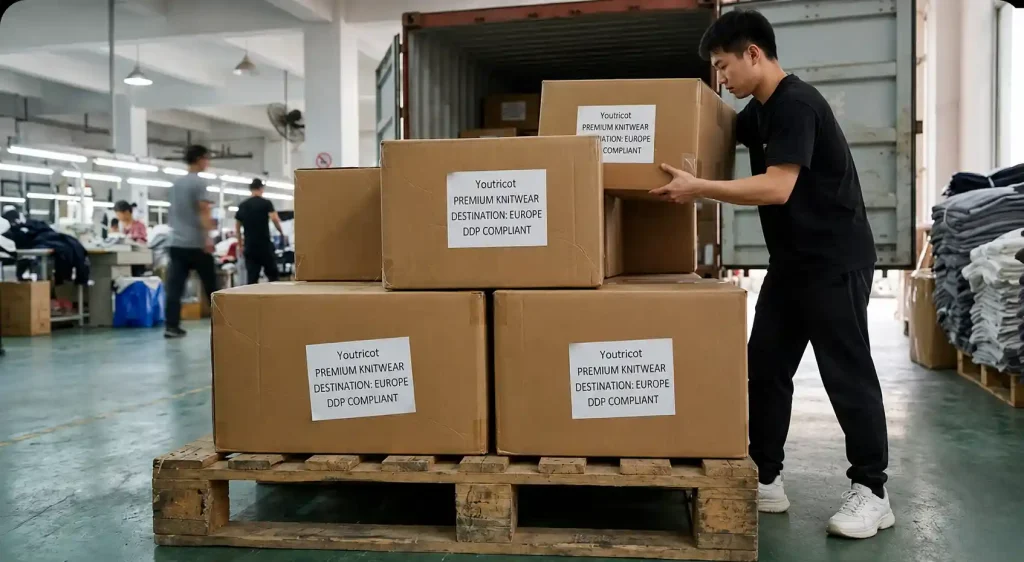
Flexible Trade Terms
DDP — Delivered Duty Paid. Consider only where the seller can perform the required import obligations. Agree the named destination, importer arrangements, duties and taxes, and required buyer cooperation before accepting a DDP quotation. It is not a promise of risk-free clearance.
FOB — Free on Board. This rule is for sea or inland waterway transport; identify the named port of shipment and the agreed on-board delivery point. For container handover before loading, review whether a different rule fits the actual movement.
DAP — Delivered at Place. Identify the named destination and confirm the buyer’s import clearance, duty and tax responsibilities and unloading arrangements. Review the delivery and risk allocation against the actual shipment.
State the selected rule, named place or port and Incoterms 2020 in the agreement. Confirm freight validity, insurance cover and exclusions separately. You may nominate a forwarder; confirm each party’s booking and documentation responsibilities. Route restrictions, customs inspections and carrier disruption can change a delivery estimate.
Questions Before You Commission Knitwear Development
Assess a knitwear OEM/ODM factory against the work your order needs: a defined development scope, identified production location, approved references, an inspection plan and clear commercial responsibilities. Request the relevant records before relying on a statement about a site, product or certificate.
Review the proposed service scope, contracting entity, production location and project contacts. Ask for the relevant capability, inspection and material records for your style. Agree confidentiality and design-use terms in writing; a service description does not establish exclusivity or transfer of intellectual property.
The 50-piece minimum applies per style per colour only when yarn, colour, structure, trims, testing, finishing and the technical route are feasible. Confirm size allocation and any separate material or process minimums in the quotation. Smaller orders can still carry unsold-stock and replenishment risks.
Request a schedule with input deadlines, material availability, buyer review periods, revision allowances, production release conditions and the cargo-ready milestone. Sampling ends at the agreed sample-ready or dispatch point; bulk timing ends at the stated production or handover milestone. Transport is separate unless expressly included. Changes and delayed approvals require a revised plan.
Specify the product, wearer, market and intended claims. Agree the legal and buyer requirements, document owners and testing scope before production. For OEKO-TEX Standard 100 or RWS claims, check the relevant certificate holder, validity, products, processes and order coverage. A supplier certificate or factory inspection does not establish blanket certification or all-market compliance; UK and EU requirements must be assessed separately.
Discuss main labels, care labels, hangtags, barcodes and packing as defined quotation items. You provide or approve the artwork and market-specific text. Confirm development work, supplier minimums, approval samples and any excluded testing or documentation before authorizing purchases.
Compare identified suppliers on the same product specification, style-colour quantities, development scope, evidence requirements, delivery basis and quotation date. Review landed cost and approval capacity alongside manufacturing location. A location alone does not establish lower prices, shorter lead times or better quality.
Send the current tech pack or concept brief, permitted references, composition and colour targets, size range, quantities by style and colour, target purchase cost, destination and delivery milestone. Request a dated quotation covering development outputs, revisions, materials, production, testing, packing, payment, trade terms and exclusions. Missing inputs may require assumptions or further development before a firm quotation.
Discuss Your Project and Arrange a Production Review
Share the styles and processes you want to review. Discuss an on-site visit in Dalang or a virtual review, subject to scheduling, production availability and confidentiality restrictions. Confirm the location, attendees, scope and travel arrangements before booking; airport collection and access to specific equipment are not assumed.
Virtual reviews may be discussed on request; confirm the available format and scope with the team.